
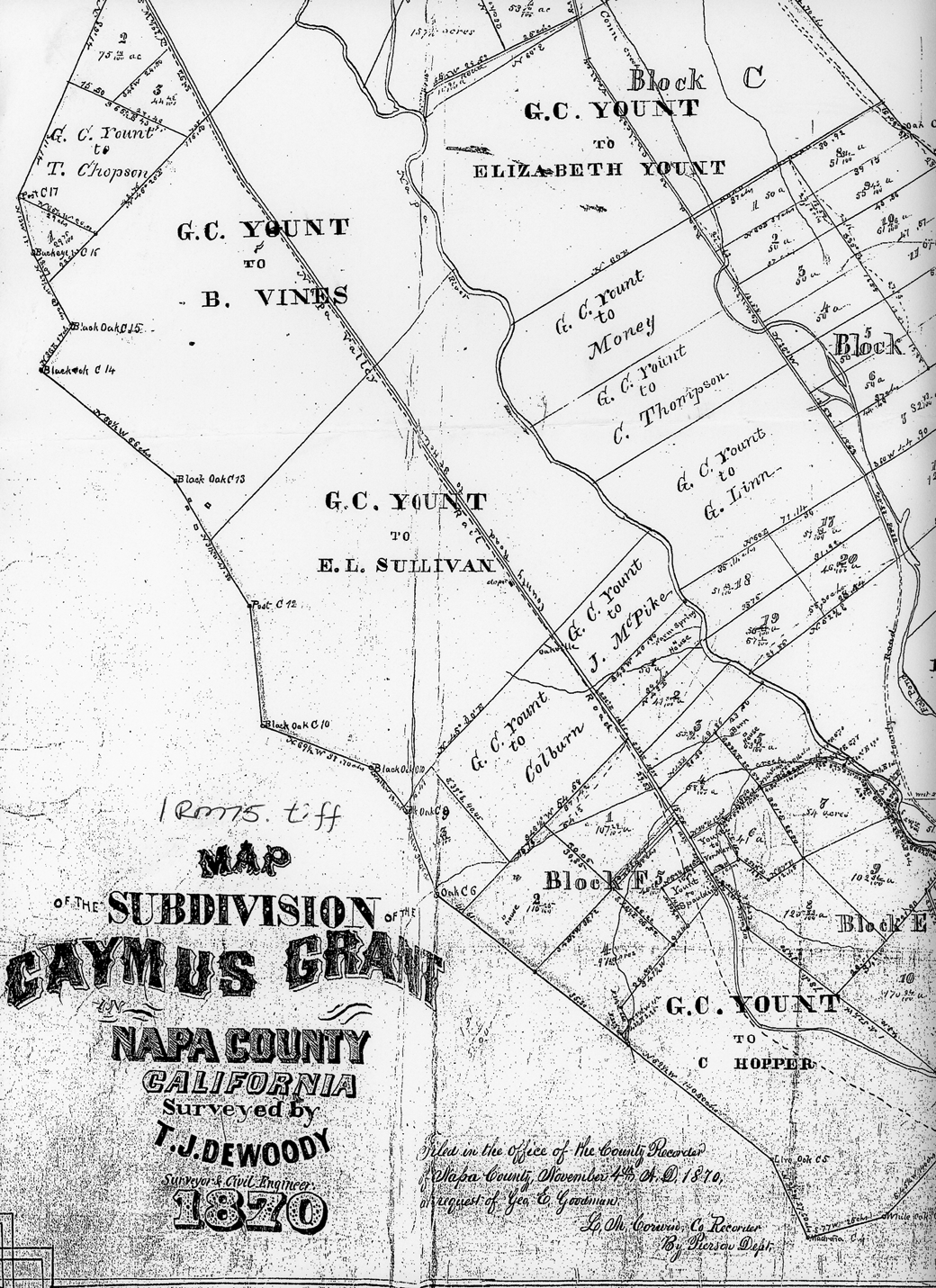
An 11,814 acre land grant called, “Caymus Rancho” was gifted to George C. Yount by Mexican General Mariano G. Vallejo as a repayment for a variety of services.
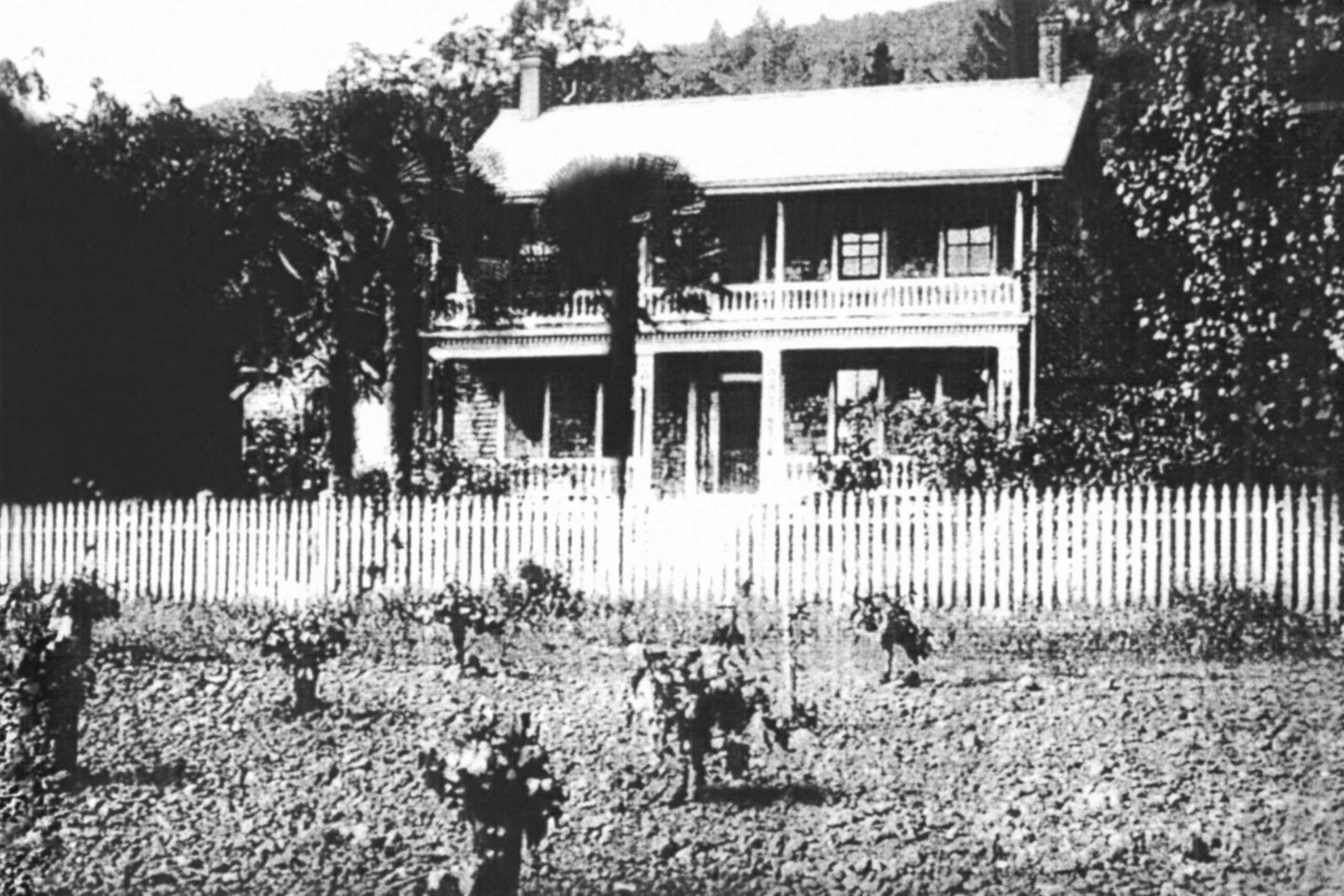
Elizabeth Yount, one of George Yount’s three daughters, married Thomas Rutherford and received 1,040 acres at the Northern end of Yount’s land grant.
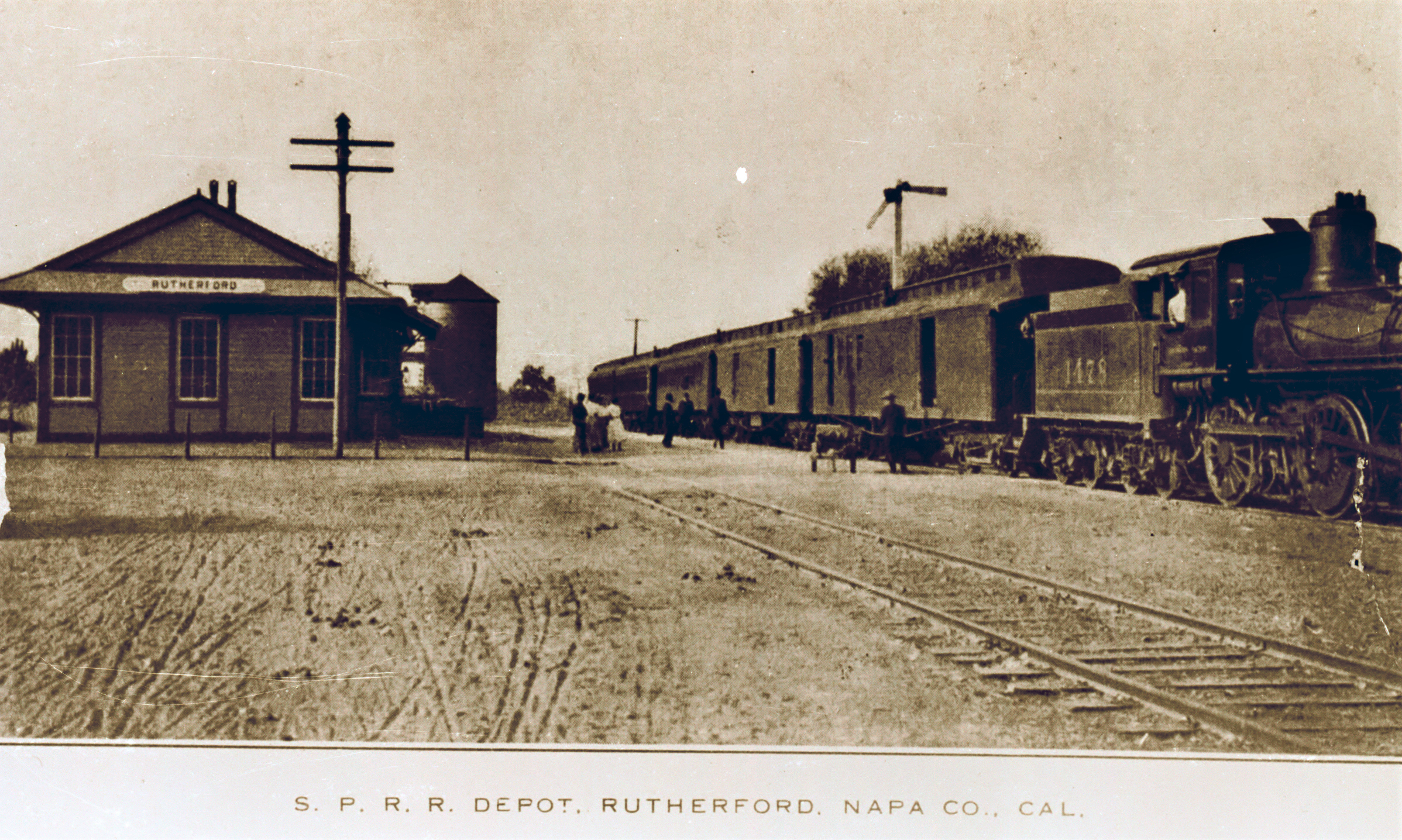
The railroad from Napa to St. Helena was completed, and the Rutherford Station was erected. It is said the reason for the station was to spare the Yount family from long, bumpy carriage rides when they visited Elizabeth from San Francisco.
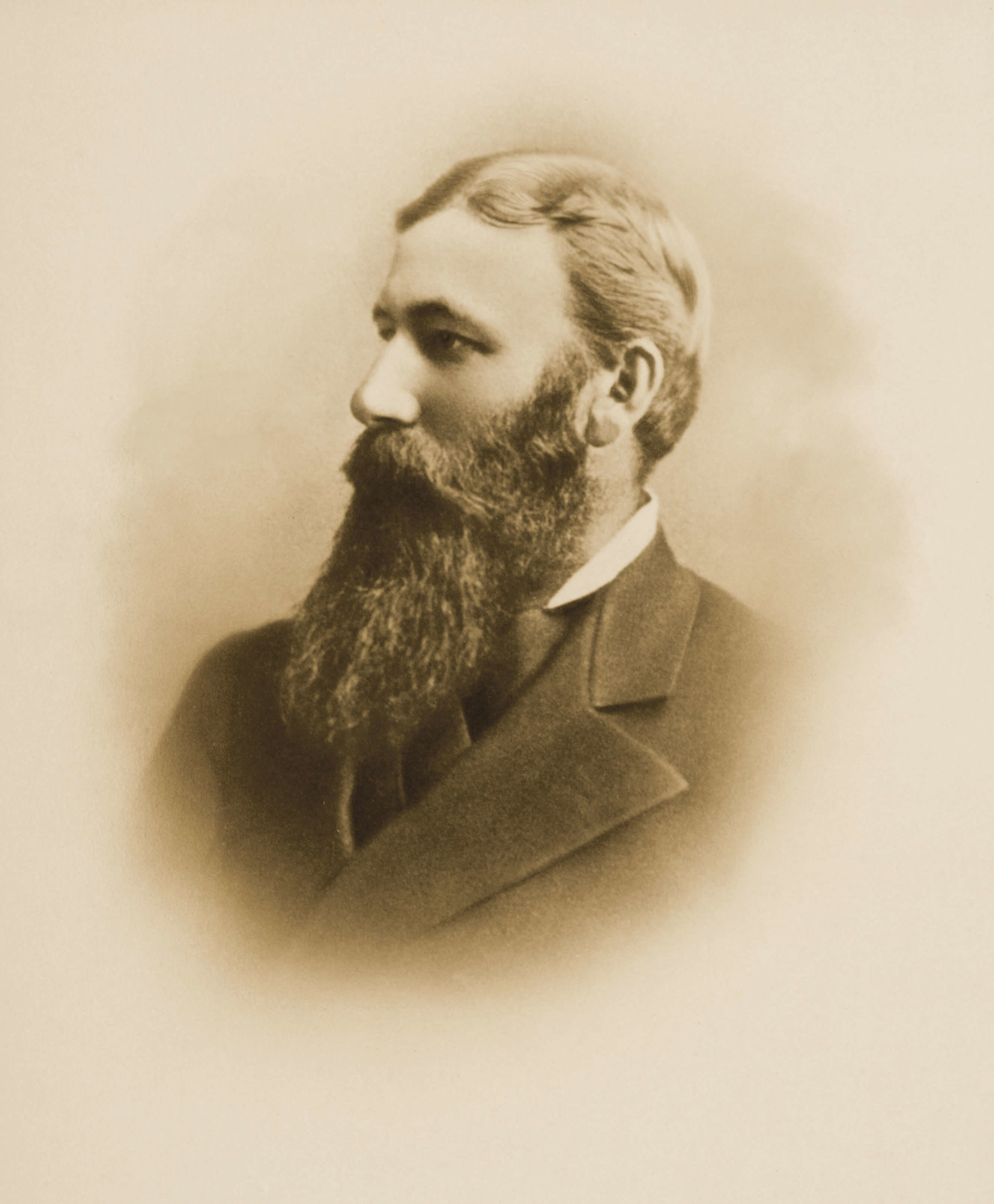
Inglenook, purchased by Captain Gustave Niebaum in 1879 as his dream site for a winery to rival the very best European chateaus, celebrates its first vintage, producing 80,000 gallons of wine made in a temporary cellar located behind Niebaum's private residence.
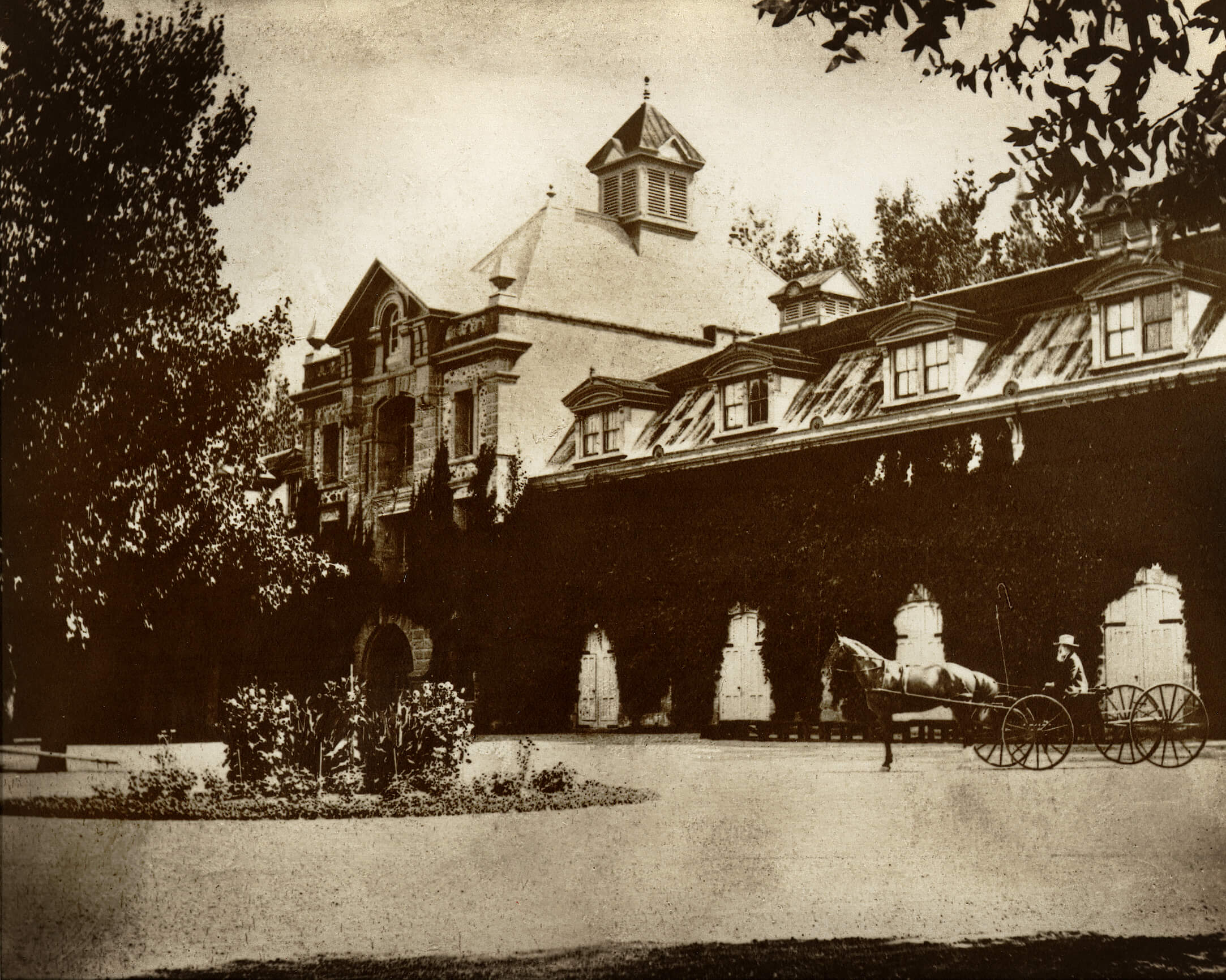
Inglenook’s Chateau winery was completed.
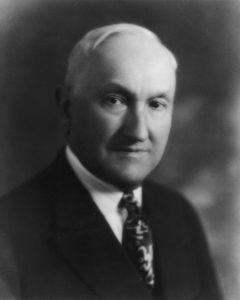
Georges de Latour, a French immigrant whose first successful venture in the Napa Valley was a cream of tartar business, and his wife, Fernande, purchased a 4-acre parcel of land adjacent to Niebaum’s Inglenook which they called Beaulieu, meaning “beautiful place.”
The St. Helena Star noted in October 1911, “When it comes to quality, California is greatly indebted to Mr. G. de Latour, of Rutherford, who for some years has imported hundreds of thousands of the choicest French grafted vines, which have been planted in all the important vineyards of the State.” De Latour planted his vineyards with imported rootstock from France, resistant to Phylloxera.
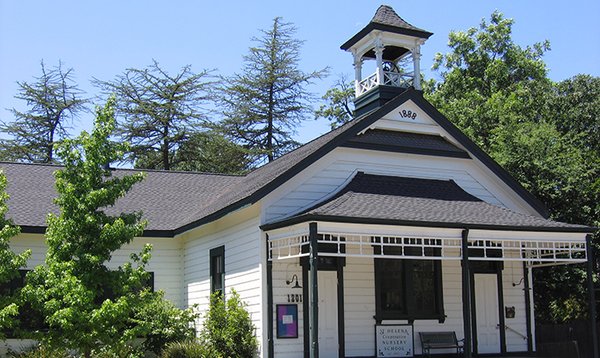
St. Helena Cooperative Nursery School built.
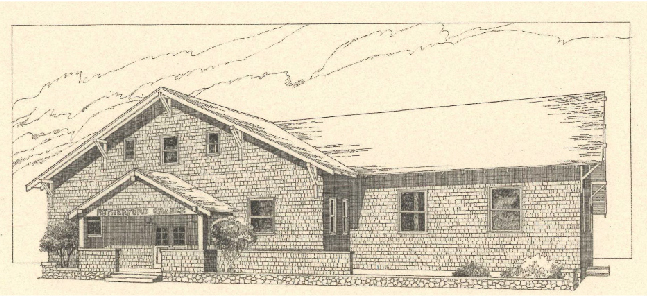
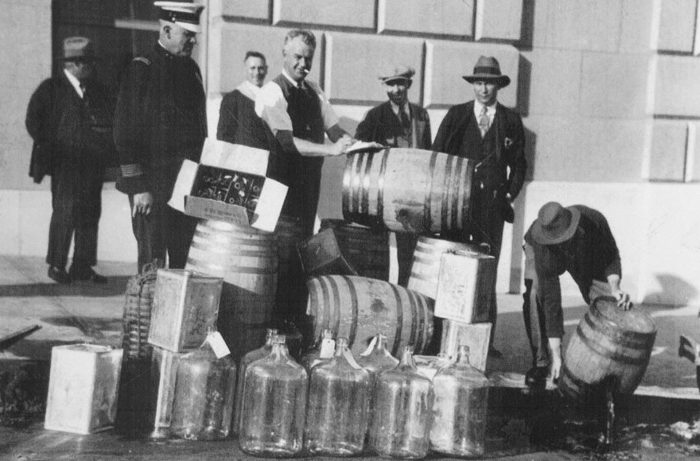
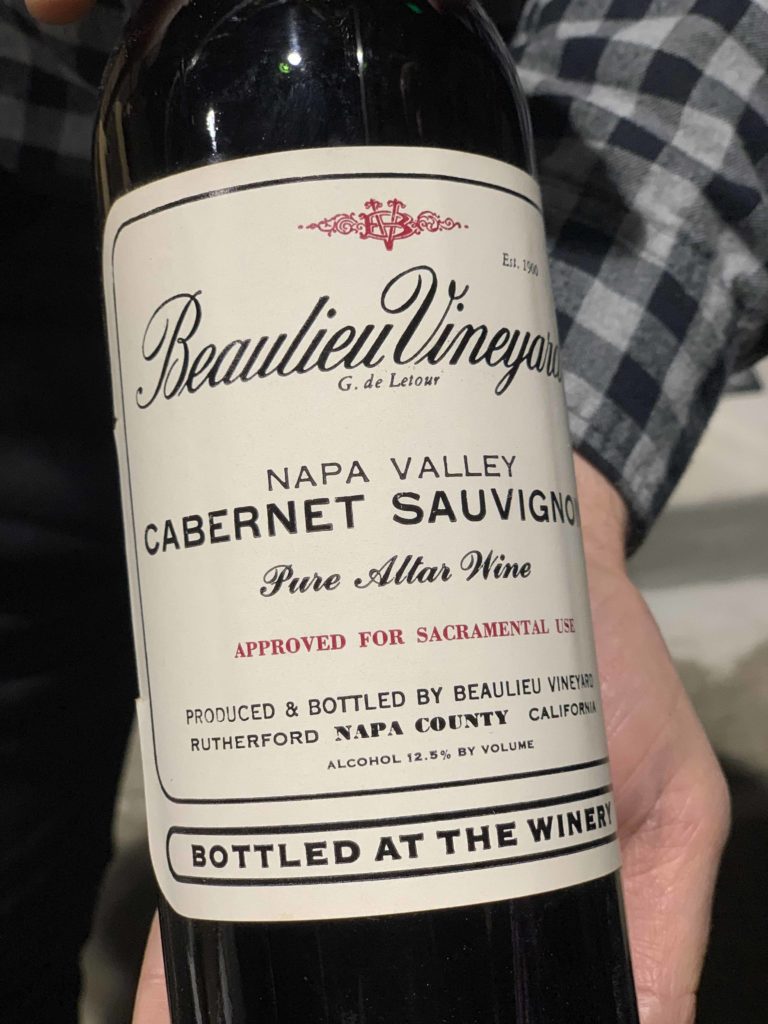
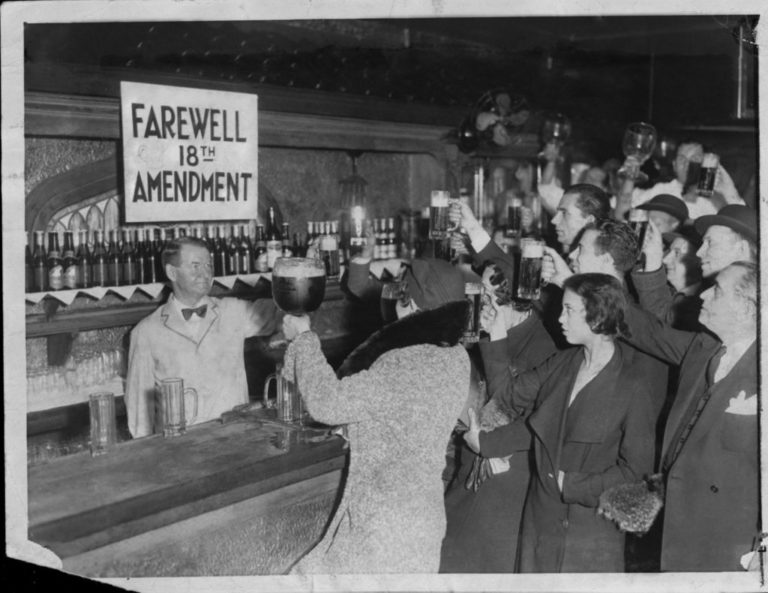
Post-Prohibition, de Latour traveled to France and met André Tchelistcheff. De Latour hired Tchelistcheff, a Russian-born enologist with European winemaking expertise and a spirit of innovation, as winemaker.
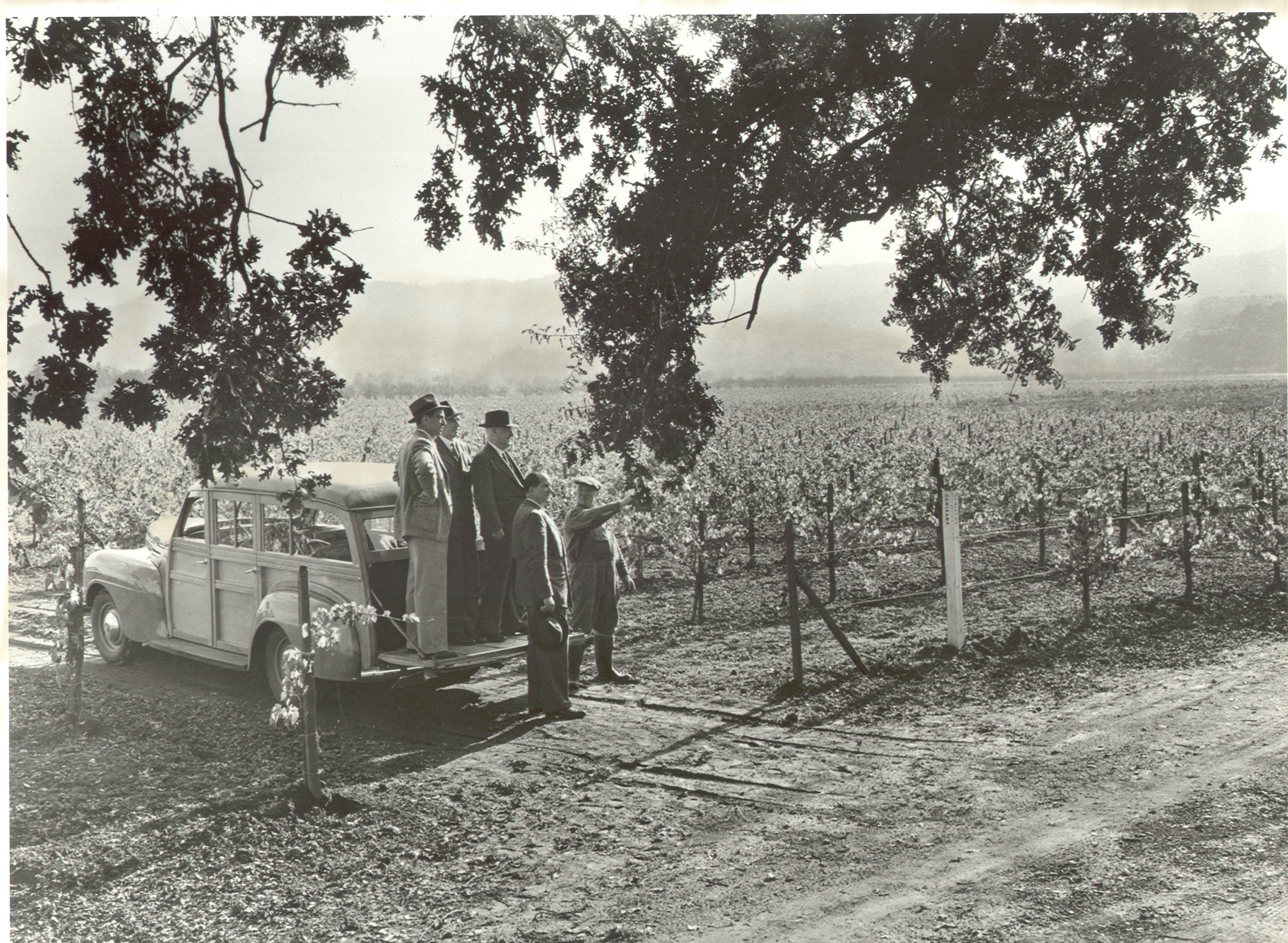
John Daniel, great-nephew and heir to the Gustave Niebaum estate, became owner-manager of Inglenook and ran it for 25 years. He served also as its winemaker, eliciting widespread respect in the Napa Valley and wielding influence throughout the California wine industry.
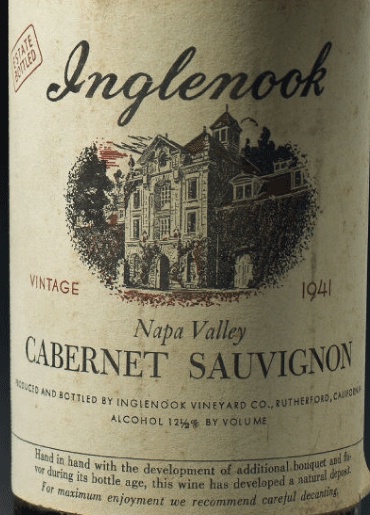
Inglenook's 1941 Cabernet Sauvignon earns the reputation of being "among the best red wines ever made." In 1990 this vintage achieved a perfect score of 100 as judged by the Wine Spectator, and a single bottle sold at auction in 2004 for just over $27,000.
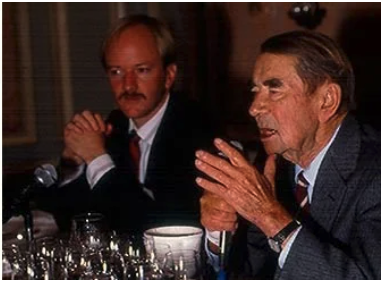
After 35 years at Beaulieu Vineyard, Tchelistcheff retired in 1973 and the role of winemaker passed to Joel Aiken.
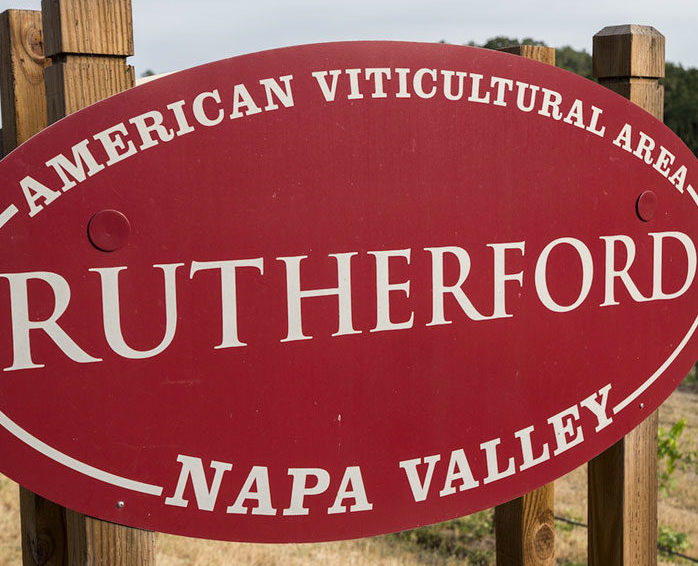
Rutherford, California, is formally designated as an appellation, one of the 16 nested American Viticultural Areas in Napa Valley. As a region, Napa Valley was named California's first AVA in 1981.
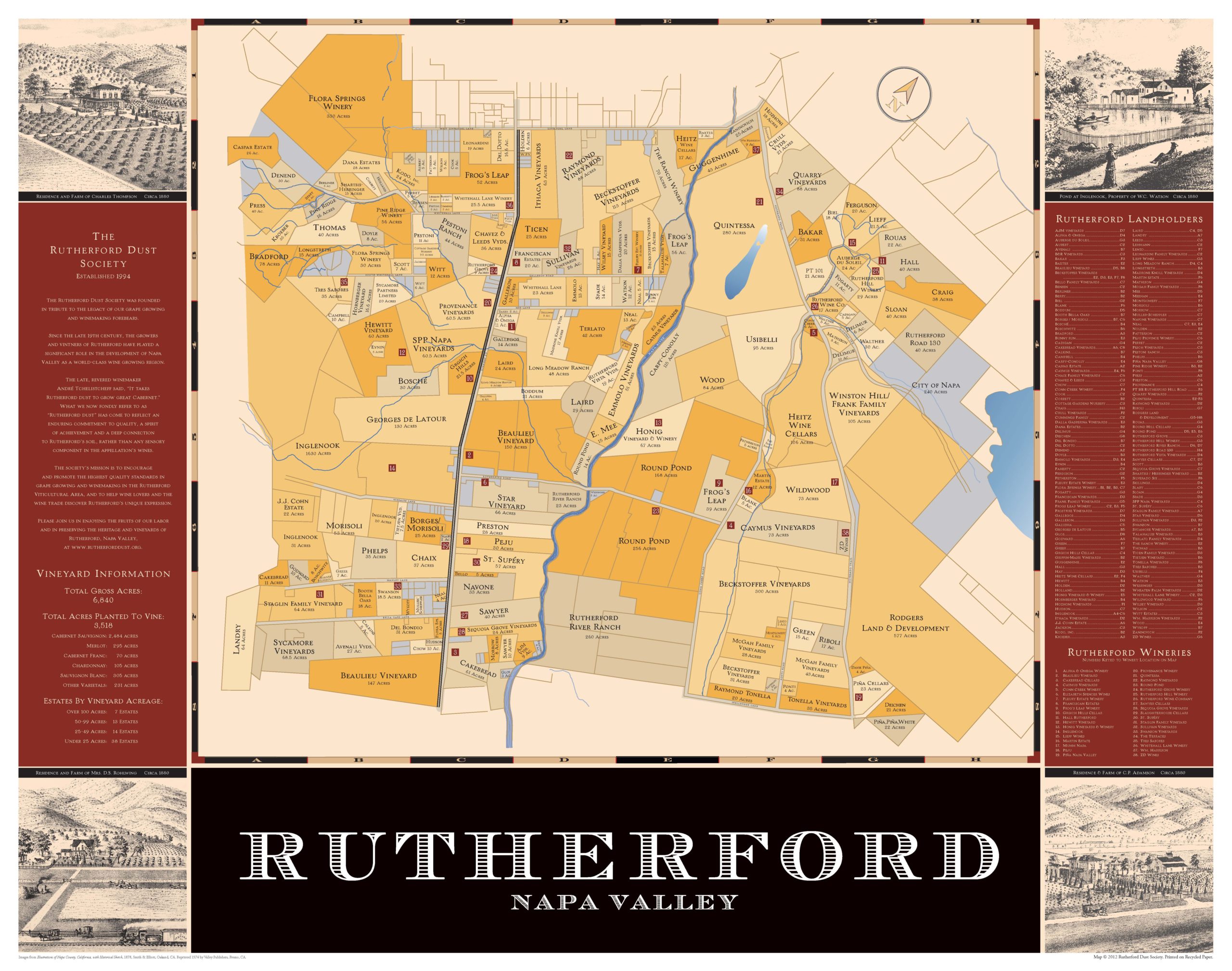
Rutherford Dust Society founded for the growers and vintner community of Rutherford Appellation.
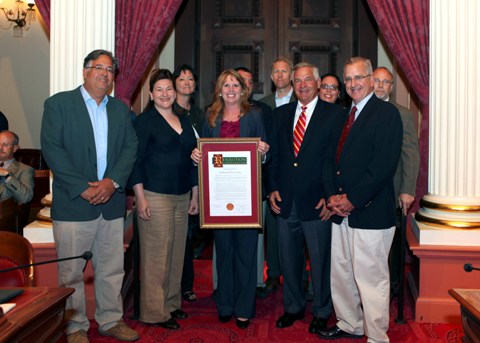
Rutherford Dust Restoration Team (RDRT) secured 100% buy-in from twenty-eight separate landowners who committed eighteen acres of prime vineyard land to convert back to floodplain and native riparian forest. The RDRT project remains one of the most ambitious agricultural landowner-initiated ecosystem restoration efforts in California to date, and was awarded national recognition by the American Fisheries Association in 2017.
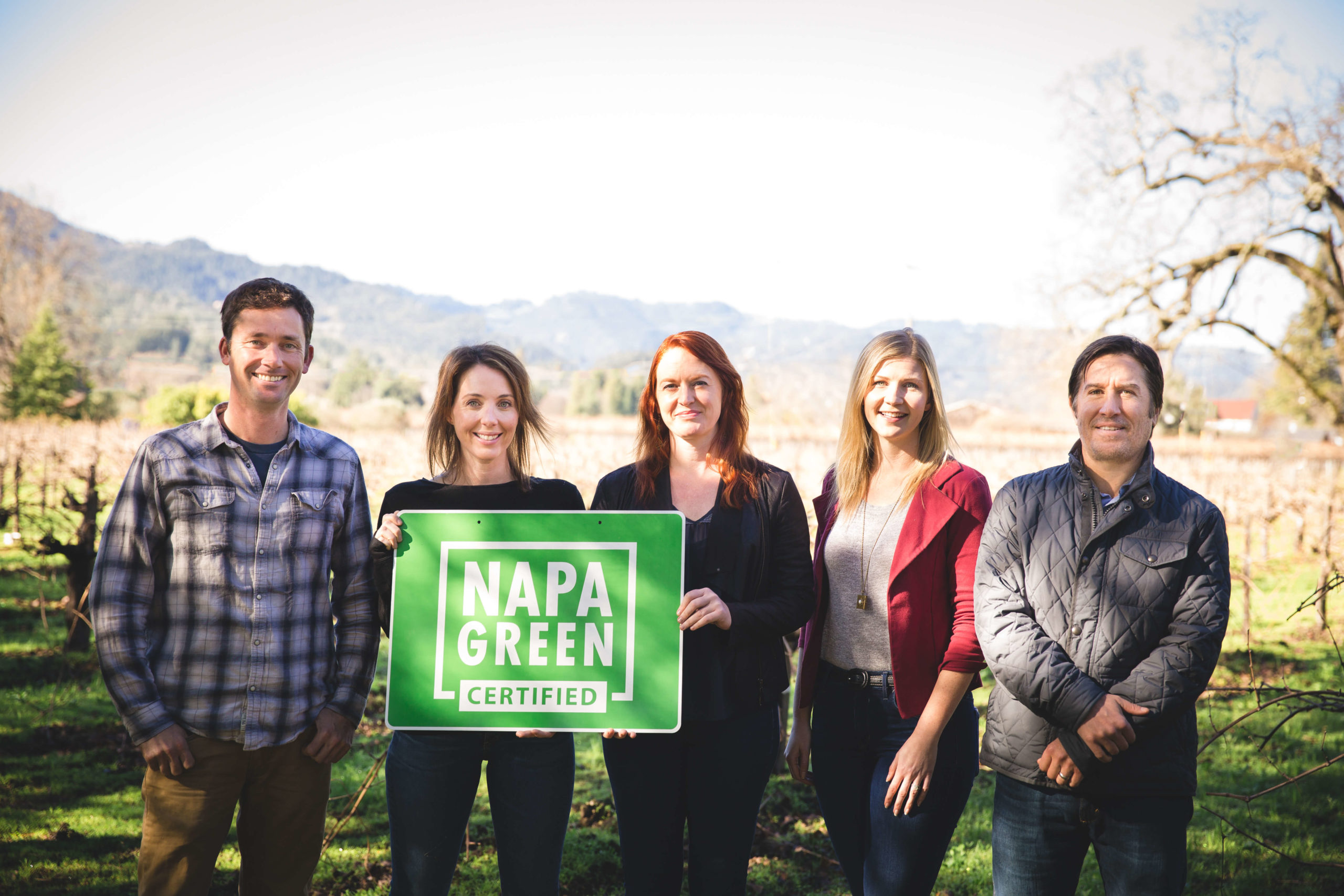
Rutherford became the first AVA association to achieve 100% participation in the Napa Green Land program.